
Flooring Calculator
Calculate laminate, vinyl, or hardwood flooring quantity and cost by entering your room dimensions and the material cost. We also have calculators for carpet and tile.
Results: Total Flooring Estimate
Estimated Flooring Price:
On this page:

Joe is the creator of Inch Calculator and has over 20 years of experience in engineering and construction. He holds several degrees and certifications.

Sarabeth is an expert in the home and garden industry and was formerly a certified kitchen and bathroom designer. She is a subject matter expert in home improvement and is often quoted in notable publications.
How to Estimate Flooring
Planning a new floor? Whether you’re installing hardwood, laminate, or vinyl, knowing how much material you need is the first step to a successful project.
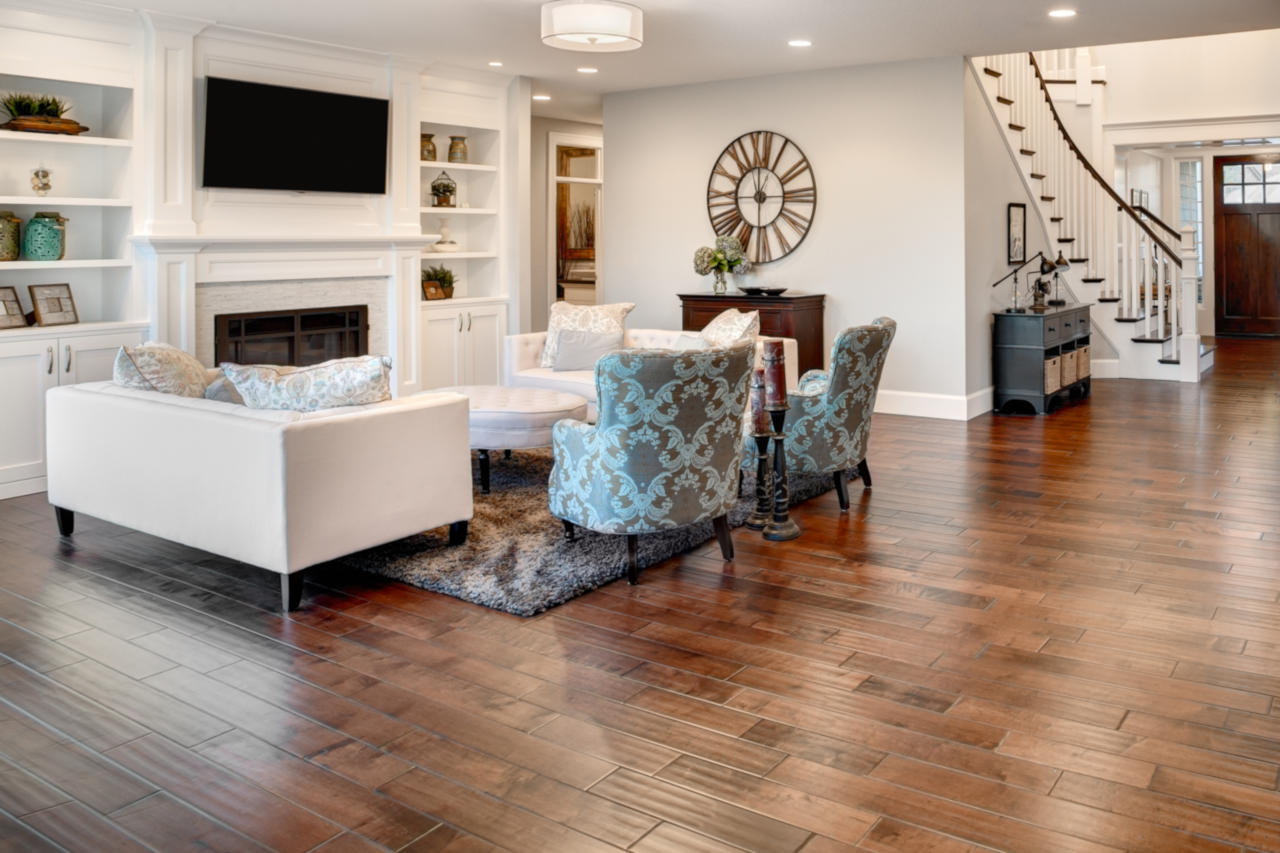
Use a flooring calculator to quickly estimate quantities and pricing by entering your room dimensions and material cost. Since most flooring is sold by the square foot, the process is easier than you might think. Below, we’ll walk you through how to measure, calculate, and budget like a pro.
Step One: Measure Your Space Accurately
Before anything else, you need to know the size of the area you’re covering. While flooring is typically priced in square feet, measuring in inches often gives you the most precise results, especially since rooms are rarely perfect rectangles.
Walls can have slight variations, and features like closets, bump-outs, or angled corners can throw off simple measurements.
Tips for better measurements:
- Use a reliable tape measure (or a laser tool for large rooms)
- Measure wall to wall, not baseboard to baseboard
- Always measure the widest points of the room
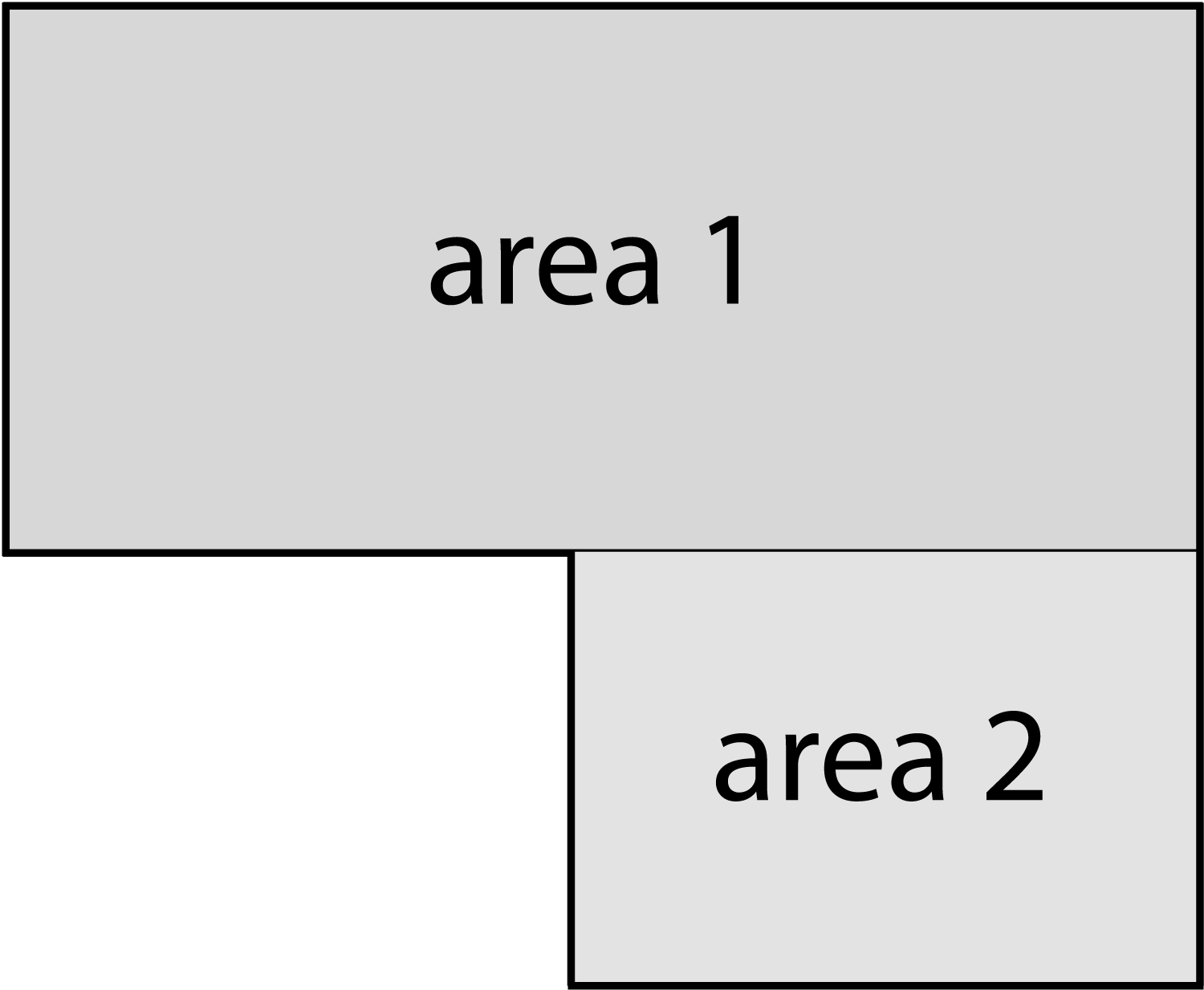
- For complex layouts, divide the room into smaller sections, calculate each area, and add them together
Once measured in inches, convert everything to feet for your final calculations. If your material is sold by the square yard, be sure to convert from square feet.
Step Two: Calculate How Much Flooring You Need
To find your total square footage, simply multiply:
length × width = square feet
But don’t stop there; you’ll need extra material for cuts, waste, and pattern alignment.
- Add 10% extra for standard installations
- Add 20% extra for diagonal, herringbone, or parquet patterns
Also, keep in mind that flooring is often sold by the box. You’ll likely need to round up to the nearest full box.
Having a little extra is actually a good thing—it gives you spare pieces for future repairs and helps when matching colors for paint or furniture later.
Common Floor Area Formulas
Not every room is a perfect rectangle. Here are a few simple formulas for different shapes:
Rectangular Border
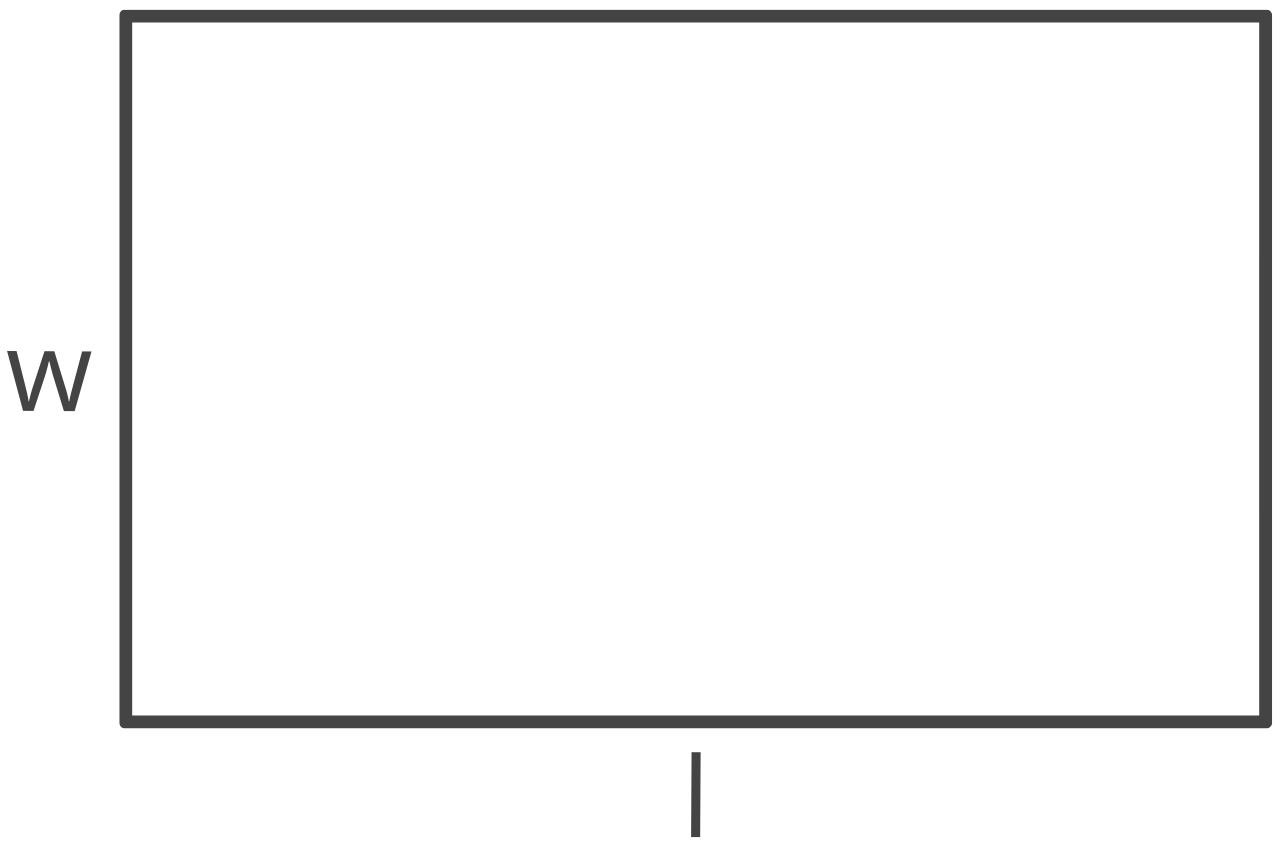
sq ft = (l – (2 × b)) × (w – (2 × b))
l = outer length
w = outer width
b = border width
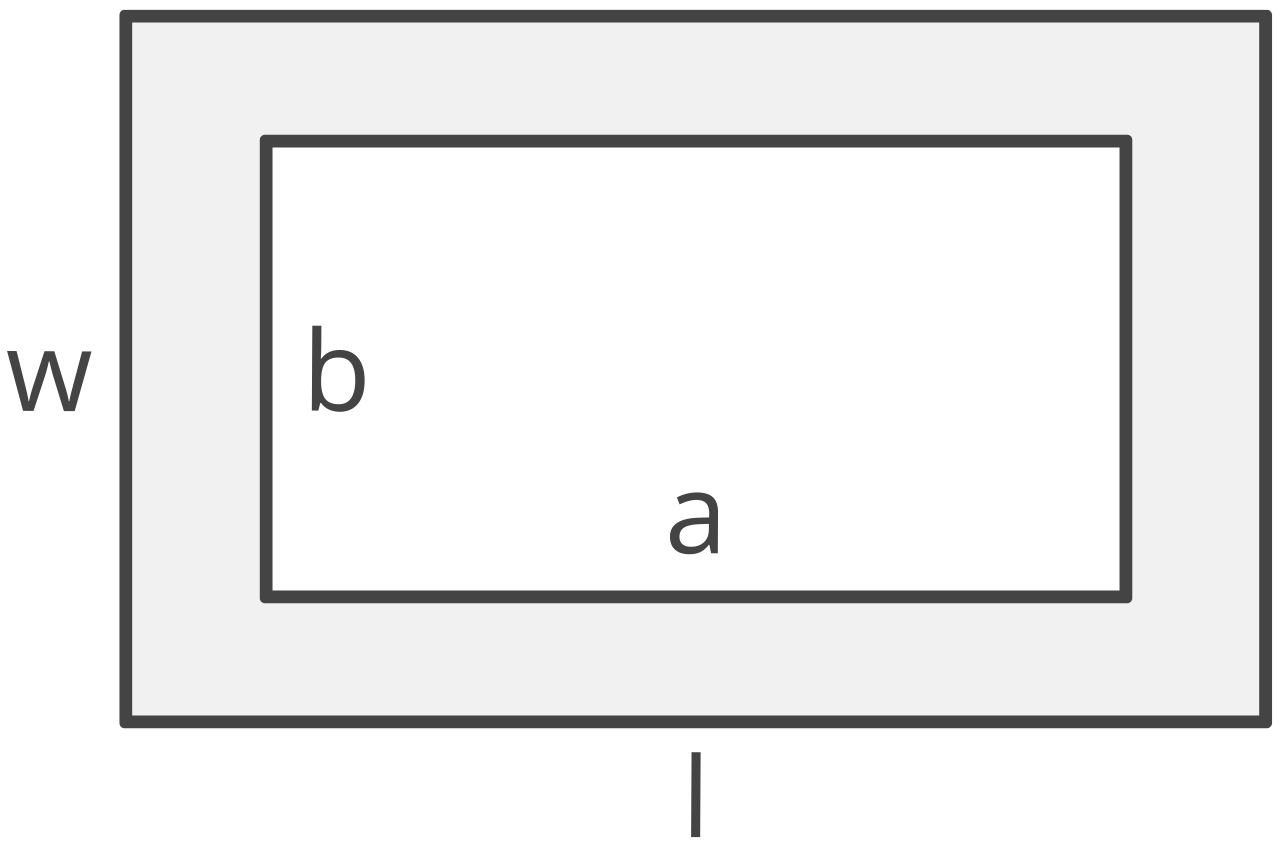
Keep in mind that some borders are sold by the linear foot. In this case, instead of multiplying to find the area, measure the perimeter of the border area and add the four sides together.
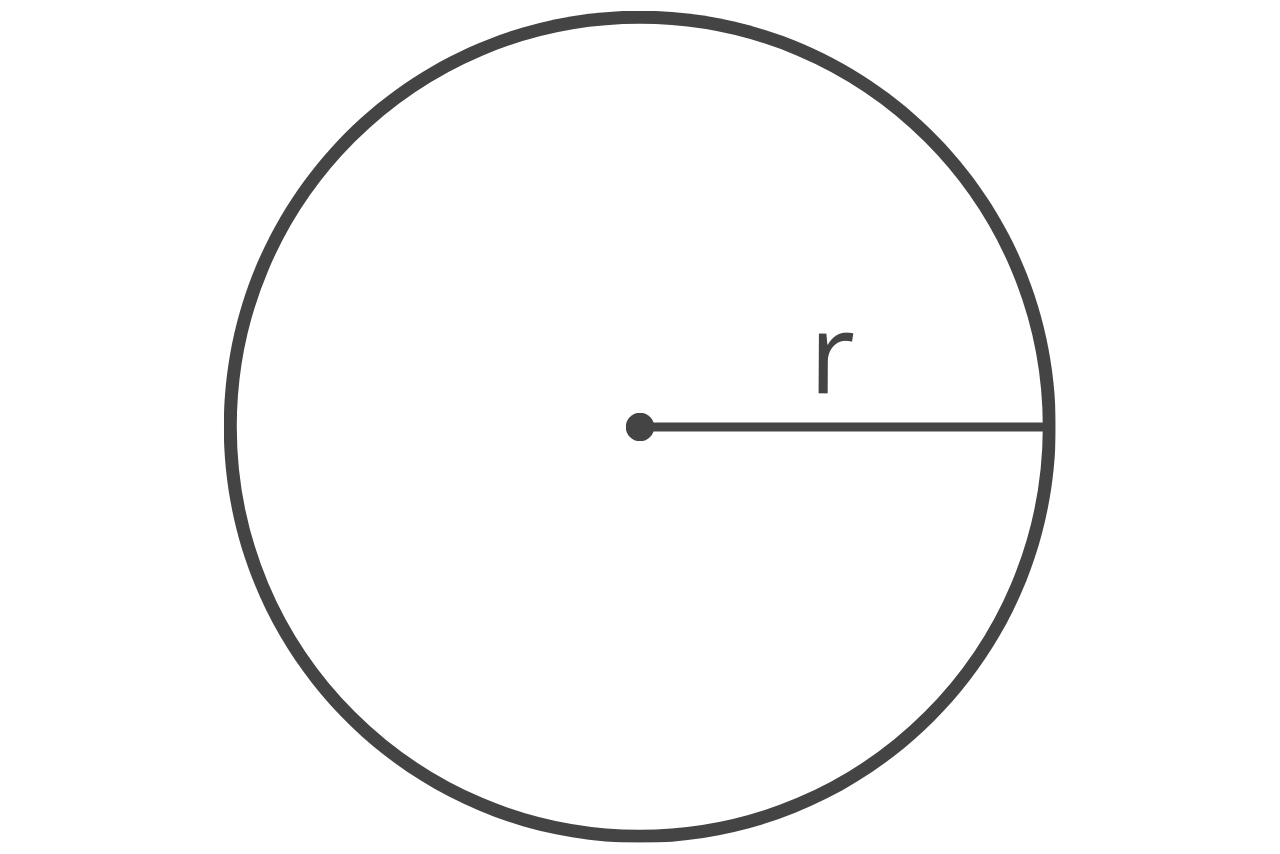
Circle
sq ft = πr2
r = radius
π = 3.14159265359
If you know the circle’s diameter, you can find the radius by dividing the diameter in half.
Triangle
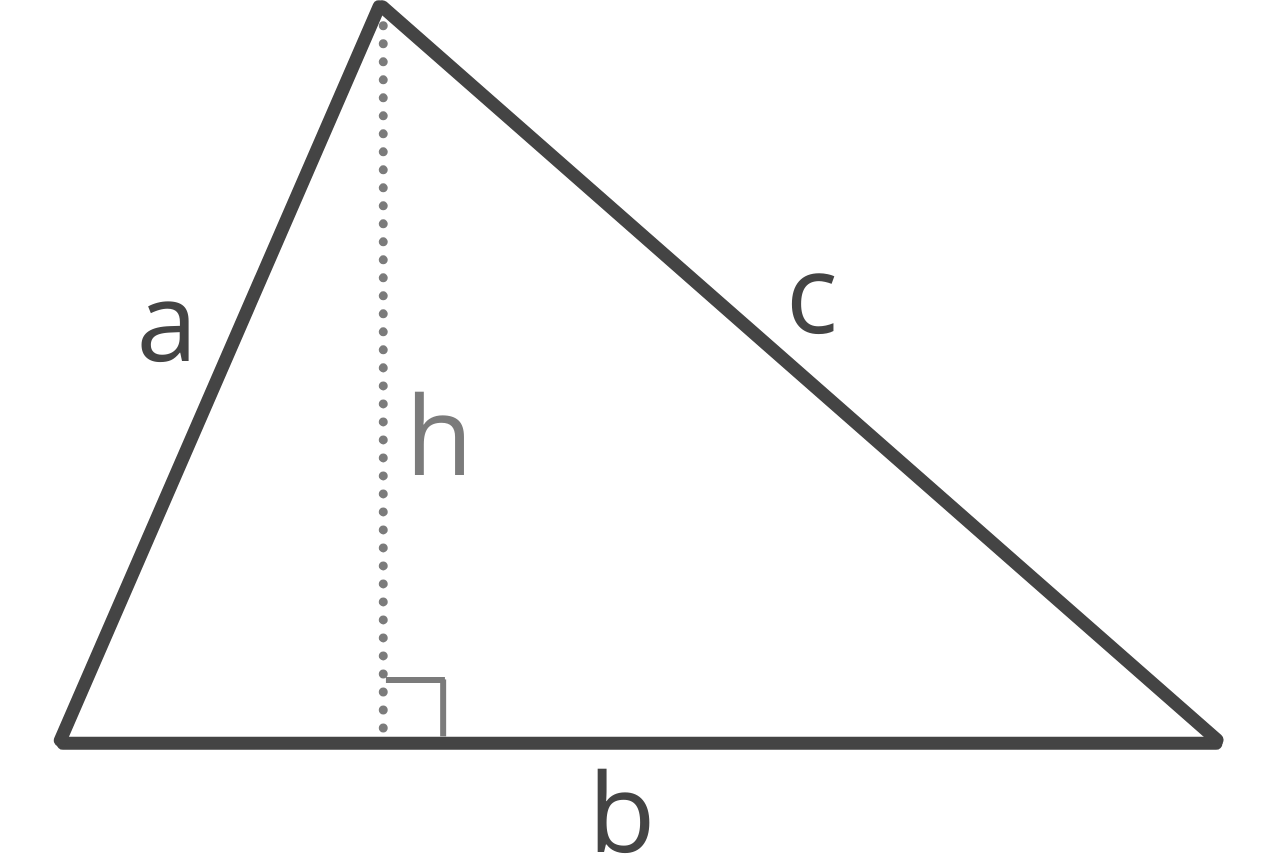
s = 1/2(a + b + c)
sq ft = s(s – a)(s – b)(s – c)
a = edge a
b = edge b
c = edge c
If your room is a right triangle, it is easier to multiply length times width, then divide by 2 to get the total square footage of the area.
Use our area calculator to find the area of more shapes.
How to Estimate New Flooring Cost
Once you know your square footage, estimating cost is straightforward:
square feet × price per sq ft = material cost
But flooring isn’t the only expense. You may also need:
- Trim and baseboards
- Thresholds or transitions
- Underlayment
- Adhesive (for certain flooring types)
Trim and edging are usually sold by the linear foot, so measure those separately and round up for waste.
Material Price Ranges
- Laminate: ~$0.75 to $5 per sq ft
- Hardwood: ~$4 to $30 per sq ft
Prices vary based on quality, finish, and material type. Higher-end options often last longer, making them a better long-term investment. You can use our price per square foot calculator to help determine your appropriate material cost based on your project size.
Don’t Forget Flooring Tools & Labor
If you’re installing the floor yourself, you’ll need to factor in tool costs. Depending on the project, you might need:
- Nailers
- Sanders
- Rollers
- Adhesives
These costs—and the time involved—can sometimes come close to hiring a professional.
If you choose to work with a contractor, they’ll often:
- Confirm measurements
- Order materials
- Have tools and provide installation
This can save time and reduce stress, especially for complex projects.
Whether you do it yourself or hire someone, start with the calculator above to get areas and rough cost estimates. You can read more about laminate flooring costs and find more flooring resources.